
How a Popular “Stem Cell Boosting” Food Harms Longevity
(And How To Renew Your Stem Cells Safely)
By Brenden Henry
This isn’t an article meant to attack physicians or people genuinely trying to improve their health.
It’s written to help you avoid being misled by common longevity advice, and to help you understand why many well-intentioned recommendations aimed at improving your own stem cells end up failing.
There is one specific food that has been widely promoted in longevity and regenerative medicine circles as a way to “boost” the body’s own stem cells.
Some claims even suggest increases of up to 200%.
Those claims are repeated frequently enough that most people assume they must be both safe and effective.
However, once you examine the science and the biology more closely, it becomes clear that this recommendation can do the opposite of what people intend.
And not for one reason but for three.
First, the study most often cited does not actually show an increase in stem cells, it measures something else entirely.
Second, the food introduces a separate biological risk.
In this article, I’ll walk you through:
What the food actually is
what the study actually shows (and what it doesn’t)
why mobilizing cells is not the same as regenerating them
and why introducing toxic burden undermines stem cell health in the first place
But first, if you haven’t yet read The Stem Cell Trap, this topic is related to why most people misunderstand stem cell optimization in the first place.
You can get download it here for free- https://cuttingedgelongevity.com/sct
The “Stem Cell Boosting” Food in Question
The reason this topic got so much attention is because it's a food that most people love:
Chocolate.
More specifically, cocoa, which is derived from cacao.
And in the study they used hot cocoa, high in flavanols.
It almost sounds too good to be true, right?
What the Study Actually Showed (And What It Didn’t)
Here's the problem: the study most often cited to support this recommendation by doctors, does not even show any stem cell increase at all.
It shows something completely different, which is a mobilization of angiogenic cells, expressing markers such as CD34⁺ / KDR⁺ ¹.

CD34 is a surface marker that can be found on multiple cell populations, including hematopoietic stem cells, progenitor cells, and some other endothelial associated cells.
Its presence alone does not prove stem cell increase, which is why the authors refer to it as “angiogenic cells”
Additionally, the angiogenic cells were “mobilized” into circulation.
This means they were released from existing niches (such as bone marrow or vascular tissue) into circulation.
Mobilization is fundamentally different from renewal or expansion.
Renewal increases the total stem cell pool, preserves stem cell youthfulness, and supports long term regenerative capacity.
Chronic mobilization without renewal is known to accelerate stem cell exhaustion.
The third issue is that Cocoa is consistently one of the highest dietary sources of lead and cadmium. These 2 heavy metals are difficult for your body to eliminate with both being able to be stored for many decades.
Independent consumer testing has repeatedly shown that many cocoa products, including “organic” and “high-quality” sources, contain cadmium levels well above harmful limits ².
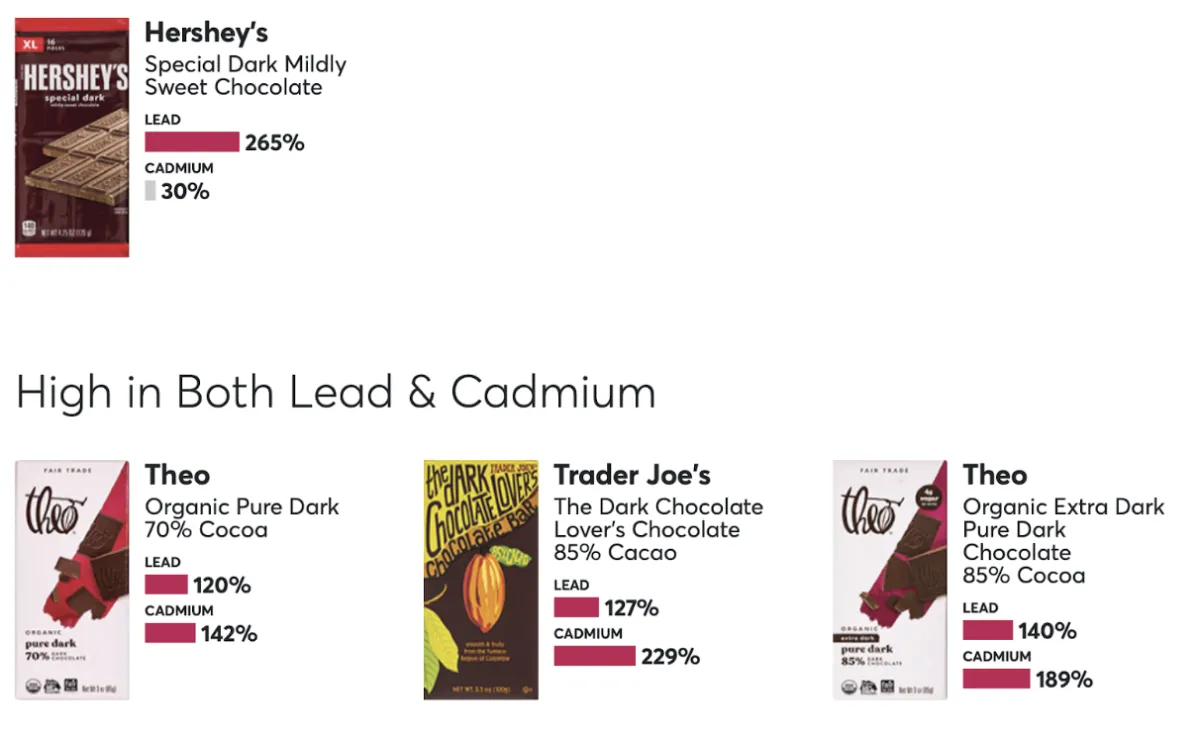
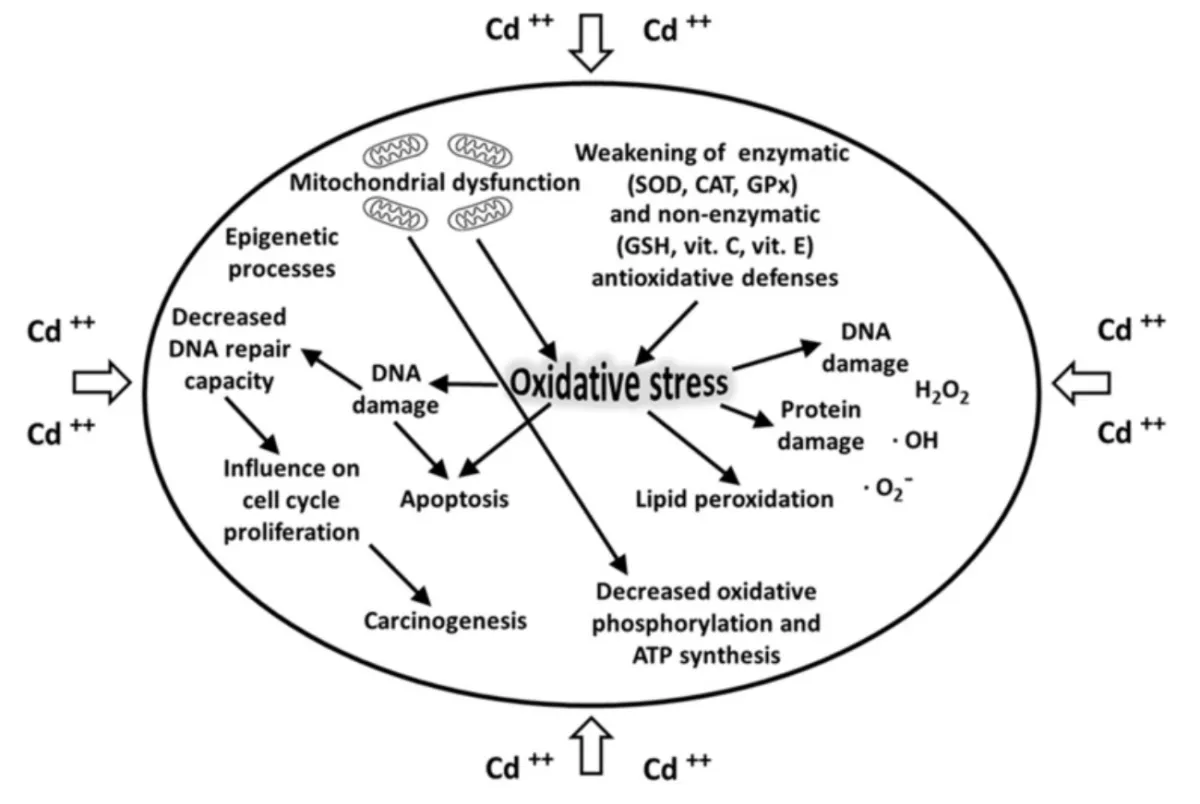
Cadmium is especially dangerous because ³:
• it accumulates in the body
• it has an estimated biological half-life of 10–25 years
• and even early-life exposure can have long-lasting effects
The Bigger Problem This Reveals
This isn’t just about cocoa and the fact that it not only DOES NOT increase your stem cells, and may actually cause harm through heavy metals, but the fact many people are falling victims to this.
To be clear, heavy metal exposure can at least be addressed if it's something that applies to you.
Inside my Biological Recode System, In the pillar environmental detox and adaptive resilience, I cover if and when to use advanced detoxification strategies and next gen chelators to safely remove metals like cadmium and lead from the body, including long-retained metals that conventional approaches fail to touch.
But detox alone is not the solution.
Because even if cadmium is reduced, stem cell renewal will still be limited if the biological environment those cells live in remains dysfunctional.
This is because Stem cells longevity, regenerative capacity, and resilience are dictated by upstream systems including immune signaling, inflammatory load, metabolic health, mitochondrial function, and senescent burden.
For example, immune system degeneration directly accelerates stem cell aging.
Hematopoietic and mesenchymal stem cells live in the bone marrow, the same environment responsible for immune regeneration.
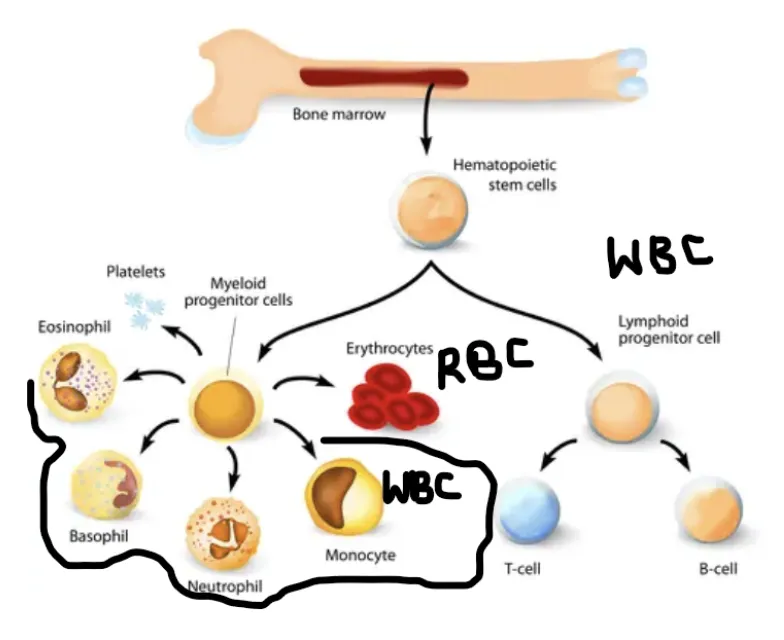
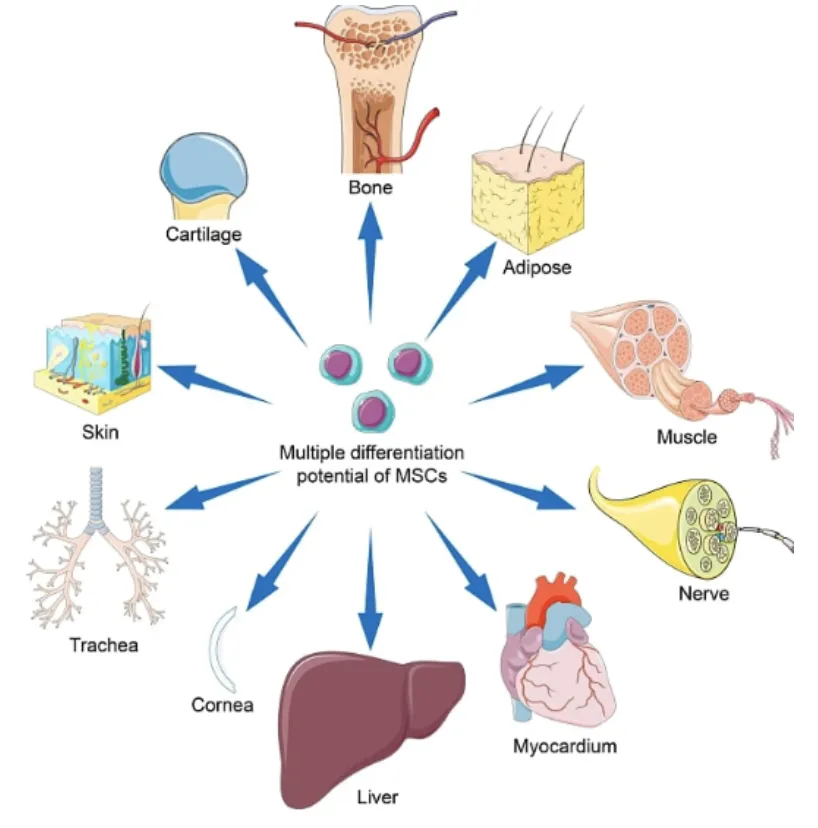
Chronic inflammation, immune exhaustion, or marrow dysfunction shortens stem cell lifespan and weakens their repair capacity.
And your bone marrow is already on fast decline as you age.
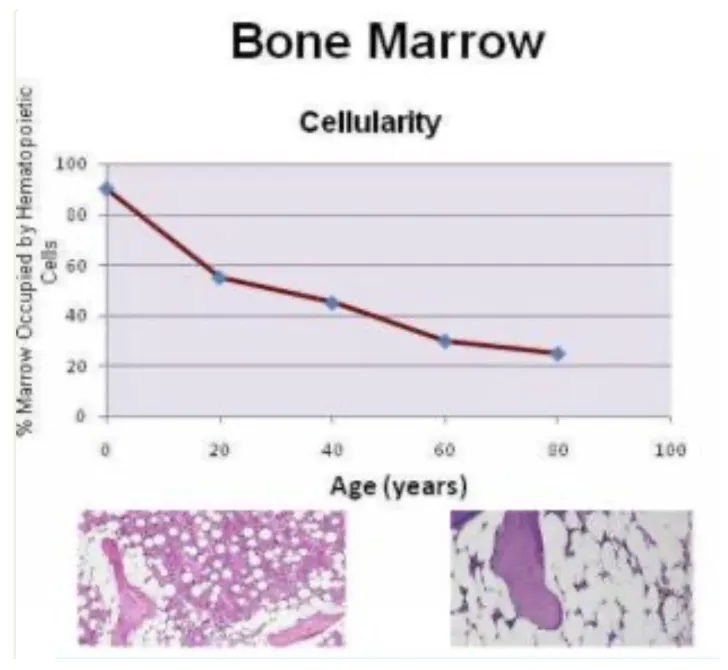
Likewise, metabolic syndrome, excess inflammation, mitochondrial dysfunction, and cellular senescence all create conditions that force stem cells to age faster and burn out sooner, regardless of how many “boosting” interventions are layered on top.
This is why trying to force stem cell activity, whether through foods, supplements, or signaling tricks, often just doesn't work.
But fixing the biology first and then renewing them does.
And that’s exactly what the 12-Pillar Biological Recode System is designed to do.
It addresses all of the core reasons why your stem cells decline with age and makes sure your biology is well optimized.
Then, there is a stem cell renewal protocol you can take advantage of which truly works to increase the number of your own stem cells.
Not by mobilizing them out of the bone marrow into circulation, but by increasing their proliferation and restoring their youthfulness.
And remember:
Stem cell decline is not a standalone problem.
It’s a downstream consequence of system wide biological failure.
If you want to understand what’s actually been missing and why so many longevity efforts stall despite doing everything “right” read the Strategic Brief below.
To Rewriting Your Biology,
Brenden Henry
Former Biomedical Engineer
Founder of Peptide Science Institute &
CuttingEdgeLongevity
support:
sms +1 877-834-9117
email [email protected]