
How a Widely Recommended Longevity Supplement Raised Cardiovascular Risk
(And Why You Should Optimize the Microbiome First)
By Brenden Henry

This isn’t an article meant to cause fear or to attack supplements, biohacking, or people trying to do the right things for their health.
It’s written to help you avoid being inadvertently harmed by common longevity advice and to help you think about optimization in a way that actually works long term.
The supplement in question has been widely recommended in longevity and performance circles for years, often by intelligent, well respected people, who genuinely believe they were helping others improve mitochondrial function, cognition, and overall health.
And yet, in the wrong biological context, that same recommendation can do the complete opposite.
In this case, an increased risk of cardiovascular disease.
That kind of blind spot is surprisingly common, because optimization is frequently approached in isolation. A supplement is judged by one pathway, one outcome, or one benefit, without fully accounting for how it behaves inside a living system with multiple interacting systems.
When we see longevity experts saying that a particular supplement is good for certain things, those claims may be true in specific contexts.
The problem is that a supplement may not be studied in other biological contexts that matter.
And when those contexts are ignored, unintended consequences can occur.
One such “blind spot” involves how ALCAR (Acetyl L Carnitine) is metabolized by the gut microbiome.
In some individuals, the metabolism of ALCAR can produce compounds associated with increased cardiovascular risk.
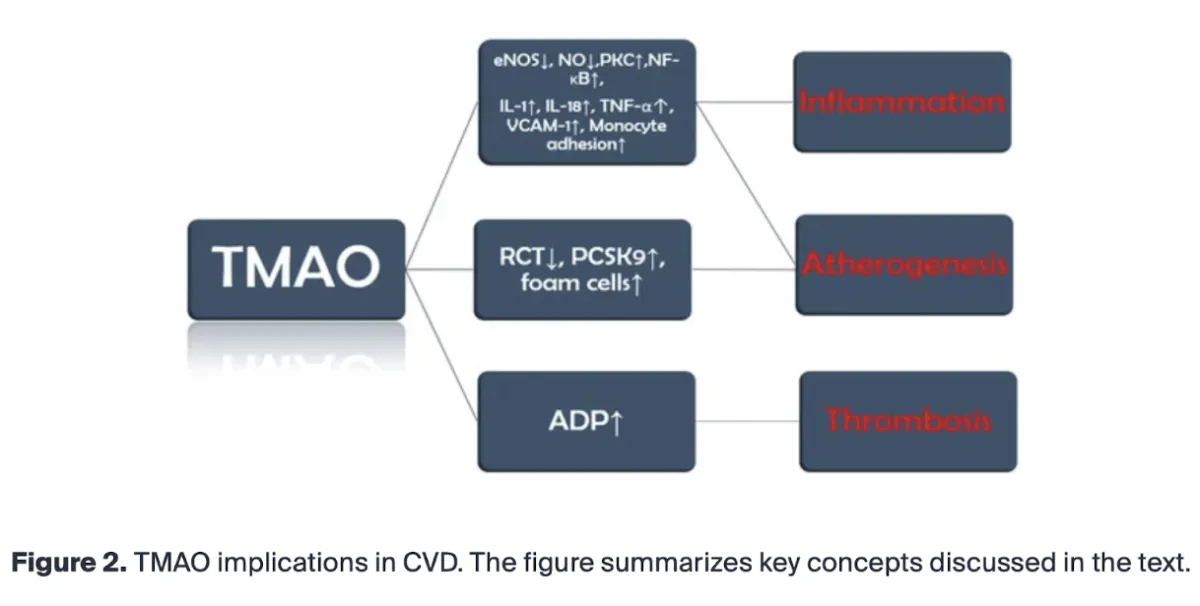
One of those markers, TMAO, when elevated in significant levels in the blood, serves as a warning that something in the gut is not functioning as it should ¹.
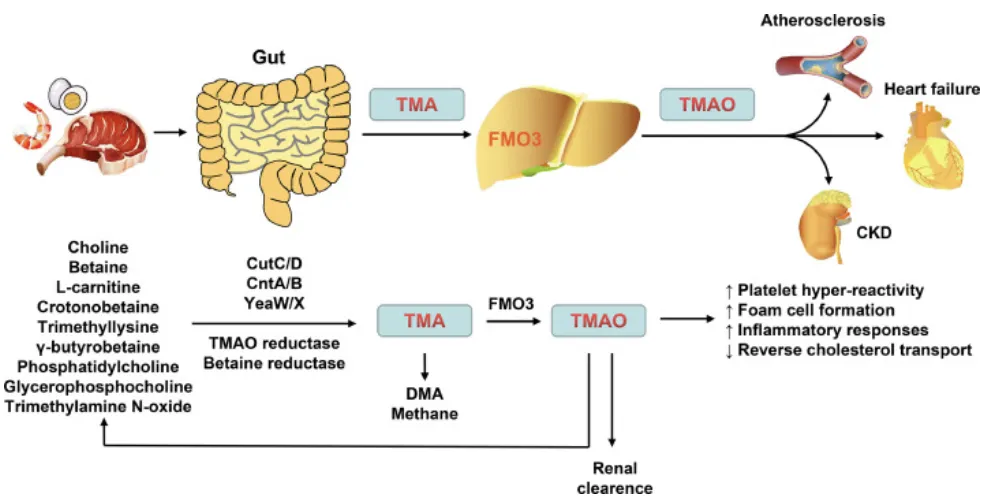
And that’s the real lesson here.
It isn’t about avoiding this one supplement, but understanding why elevated TMAO, regardless of the trigger, is a signal you don’t want to ignore if longevity is the goal ².
In this article, I’ll walk through how this supplement ended up raising cardiovascular risk, why this outcome surprised even knowledgeable researchers, and why optimizing the microbiome first is essential for real, long-term health.
How ALCAR Raised Cardiovascular Risk Markers Like TMAO
One of the individuals this discussion centers on is a well-known biohacker who had previously recommended ALCAR widely to all of his followers. After testing his own blood, he discovered that his TMAO was 17.1 which is well above the normal range.
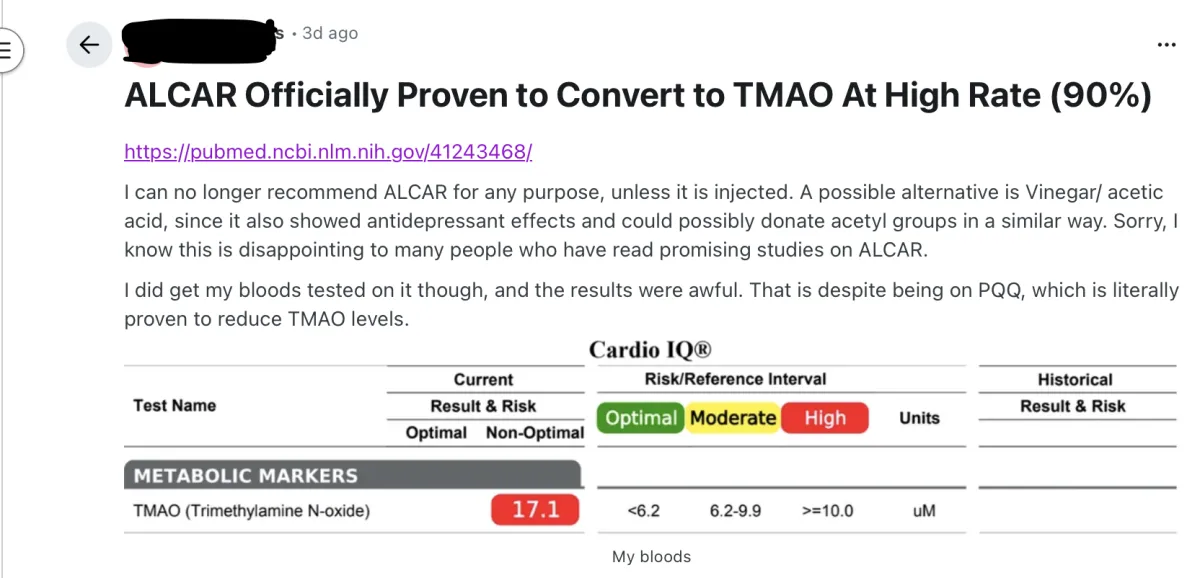
Based on those results, and a brand new study that just came out ³, he publicly reversed his position and stated that he could no longer recommend ALCAR in oral form.
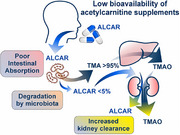
How many times have you heard other popular figures reverse their opinion on something? And have you ever wondered why?
That kind of reversal surprises a lot of people.
But it actually follows a very common pattern.
There was a biological blind spot at the time of their original recommendation.
And In this case, that missing context was the gut.
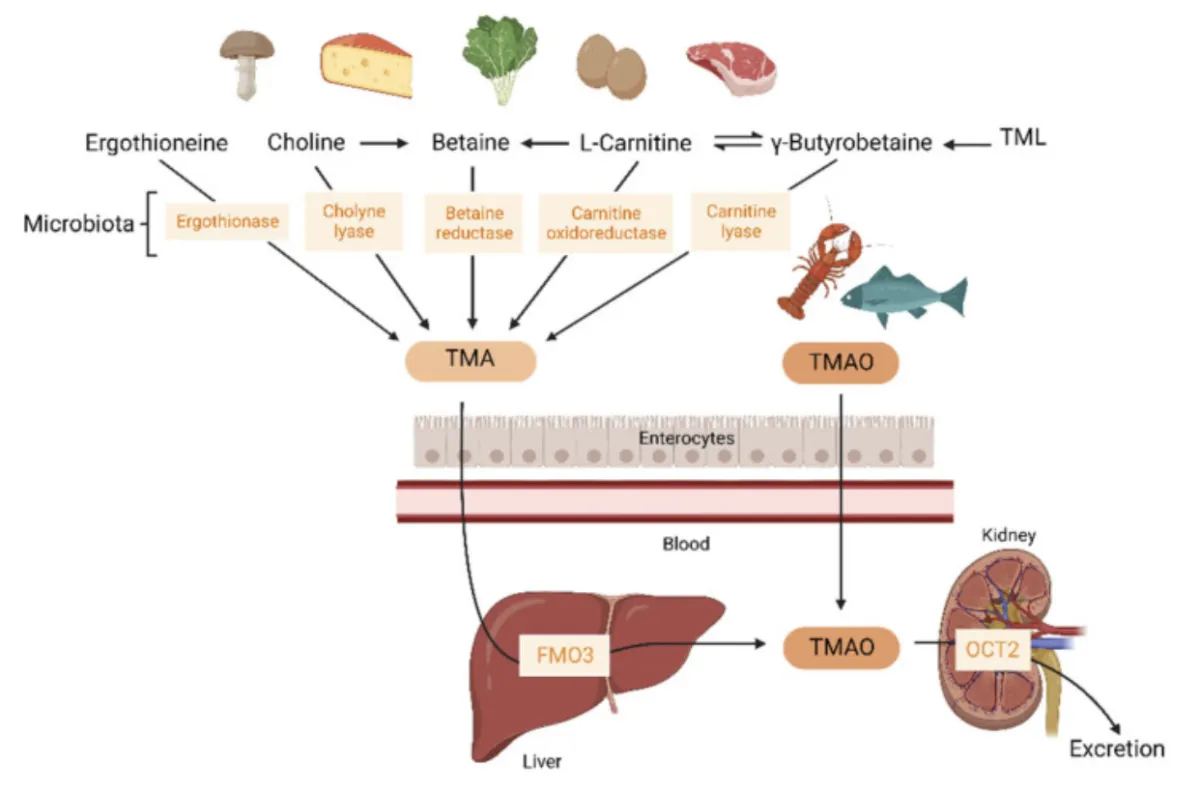
It has long been known that certain compounds including carnitine and choline can be metabolized to TMA, which is then converted in the liver to TMAO. But because the supplement in today's article had an acetyl group attached to it, many people thought that it would not have the same risks. But once you understand how that acetyl group is removed, which starts in the gut itself, it becomes clear why that assumption doesn’t hold.
Why TMAO Rises and What It’s Really Telling You
TMAO is not something you ingest directly. It’s a downstream product formed when the gut microbiome metabolizes compounds such as carnitine or choline. These compounds are found within various foods, including eggs, red meat and things like ALCAR (Acetyl L-Carnitine).
How to Reduce TMAO
Usually, (unless supplementing with a lot of it), these compounds are processed without issue in a healthy gut.
But when dysbiosis and increased permeability are present, certain microbes convert choline and carnitine into trimethylamine (TMA)⁴. That TMA enters circulation, travels to the liver, and is then converted into TMAO.
Chronically elevated TMAO has been associated with⁴:
• increased platelet reactivity and thrombosis risk
• enhanced foam cell formation and plaque inflammation
• impaired reverse cholesterol transport
• higher risk of cardiovascular disease and heart failure
Even if you aren't supplementing with things like carnitcine or ALCAR, you can still have elevated TMAO in your blood.
And when that happens, It’s a sign that the microbiome and gut–immune axis need attention first.
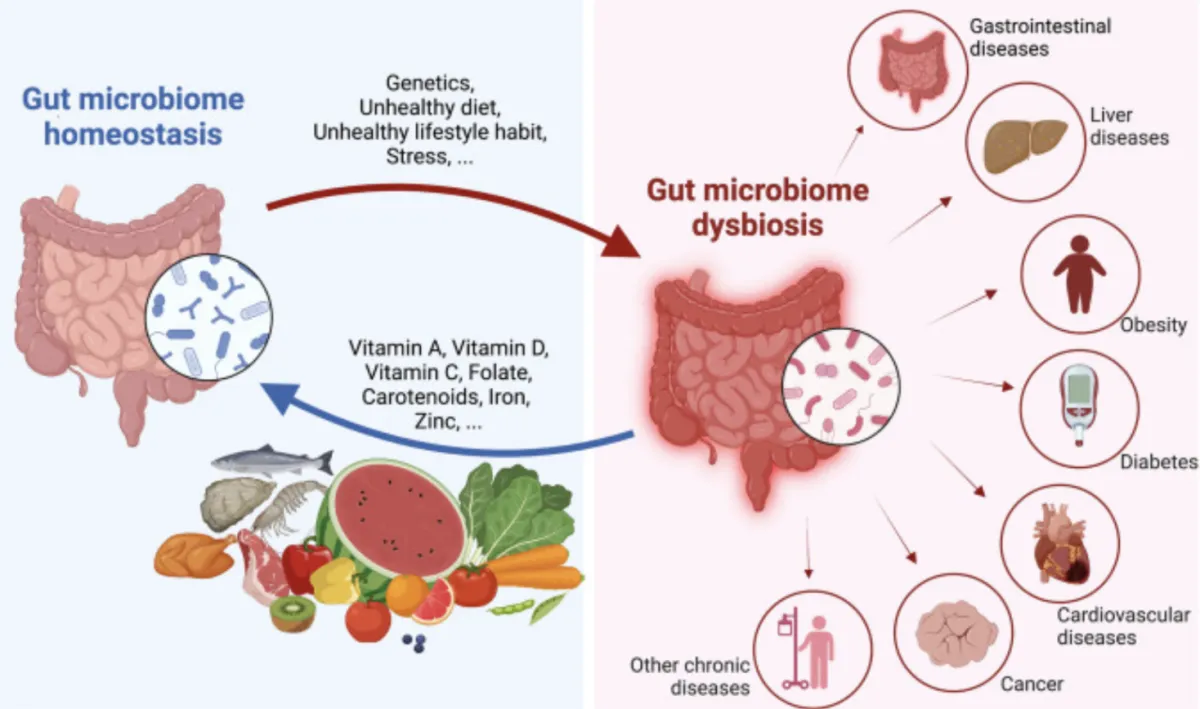
Elevated TMAO doesn’t exist in isolation. It typically reflects a gut environment that is dealing with dysbiosis, increased inflammatory signaling, and high levels of a protein called “zonulin”, which impairs the gut barrier function.
Because zonulin is a regulator of tight junctions, this increase can make the gut barrier more permeable. But zonulin can also enter circulation:
This leads to impairments in:
• Nutrient absorption
• Brain function
• Heart function
• Kidney function
• Lung function
That’s exactly why the Microbiome & Gut–Immune Axis is one of the core pillars in my 12-Pillar Age Reversal System.
Because without a healthy gut environment, your longevity goals become far harder to achieve, regardless of what you stack on top.
The gut microbiome influences immunity, hormones, inflammation, mood, and even how your genes are expressed. When it’s compromised, everything downstream underperforms.
That's why optimizing it is not optional If you care about longevity.
Such optimization is exactly what I show you how to do inside the Biological Recode System.
Learn more by clicking the button below,
And remember:
Longevity isn’t about adding more interventions.
It’s about fixing the hierarchical systems that determine how everything else behaves.
To Rewriting Your Biology,
Brenden Henry
Former Biomedical Engineer
Founder of Peptide Science Institute &
CuttingEdgeLongevity

support:
sms +1 877-834-9117
email [email protected]