
Why Using Your Own Stem Cells Often Fails
(The problem isn’t the cells it’s the biology they’re injected into)
By Brenden Henry
For some people looking into stem cell therapy, using their own stem cells sounds like the obvious choice.
They’re your cells.
They don’t involve donor tissue, foreign DNA, or reliance on a clinic whose sourcing and screening standards you feel unsure of.
So if stem cells are powerful, and these are your stem cells, the logic feels airtight.
And yet, in practice, people who use their own stem cells experience predictable disappointment.
They may see a slight improvement in the first few days following administration, but then regress back to baseline.
They wonder what went wrong…
That’s because their core assumption is wrong.
The problem isn’t the cells.
It’s the biological environment they’re injected into.
Think about it…
There are stem cells within your body right now, and yet, you are still considering getting stem cells.
The same biological environment that led to your own stem cells declining in function and number, is going to do the same thing to your own stem cells once they are injected back in.
The core misunderstanding
Stem cells do not exist in isolation.
They are not magic units that regenerate tissue regardless of context.
They are dependent upon the biological environment they are within. Their survival, signalling, proliferation, and differentiation into certain tissues is determined almost entirely by the conditions they encounter after administration.
When internal biology is compromised, either through the result of aging, poor health, or disease, injecting your own stem cells does not override that reality.
It just exposes the truth of the situation. If the environment is hostile, even technically healthy cells underperform.
The biological environment that determines outcome
Stem cells exist within a tightly regulated microenvironment known as the stem-cell niche ¹.
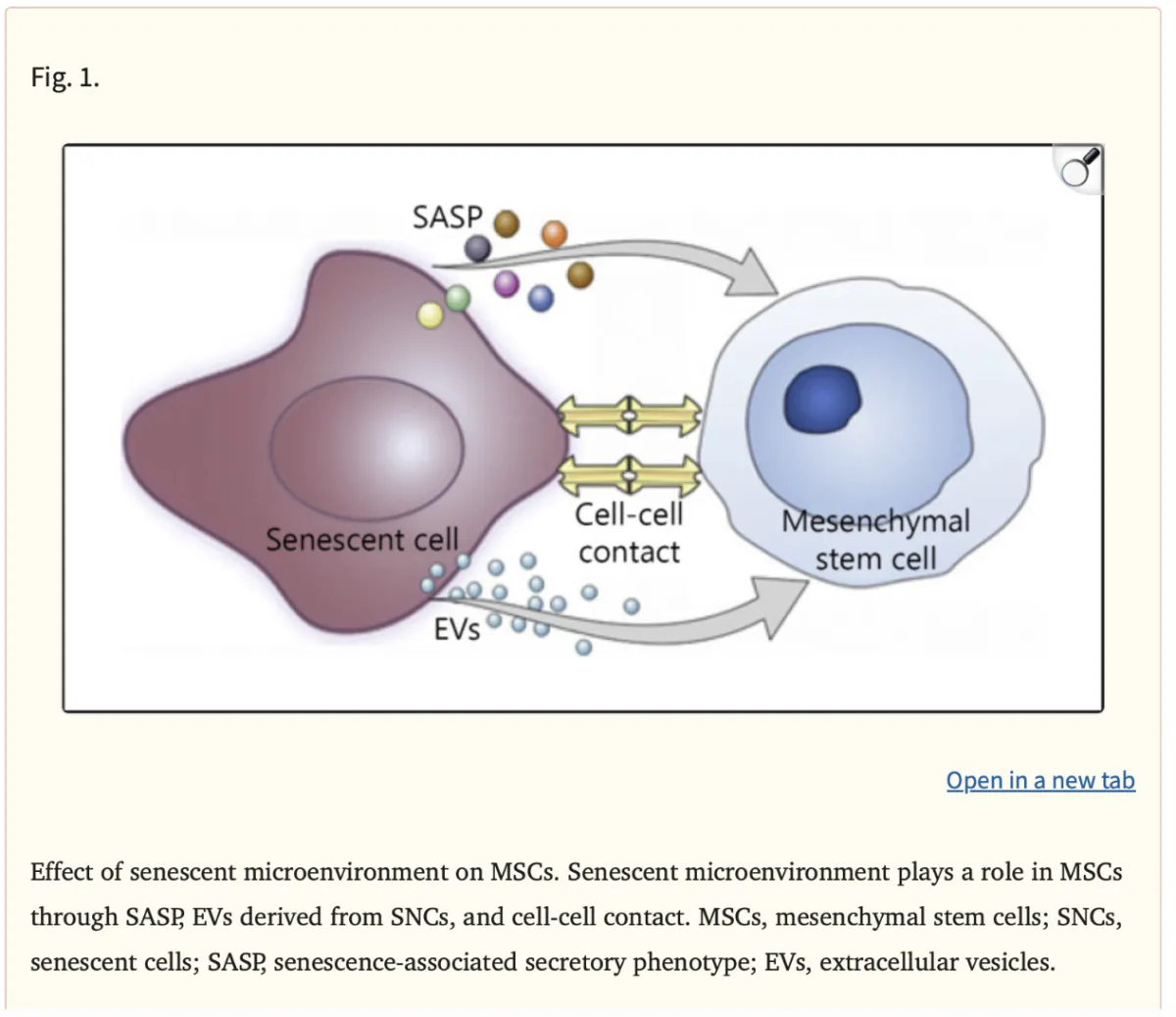
This niche is what determines whether stem cells remain functional or drift into senescence, (the process of biological decline, in which they can’t exert any regenerative potential).
It determines whether they proliferate and differentiate as intended, and if they persist long-term or start to decline.
As people age, and especially after chronic stress, or poorly managed metabolic health, this niche breaks down.
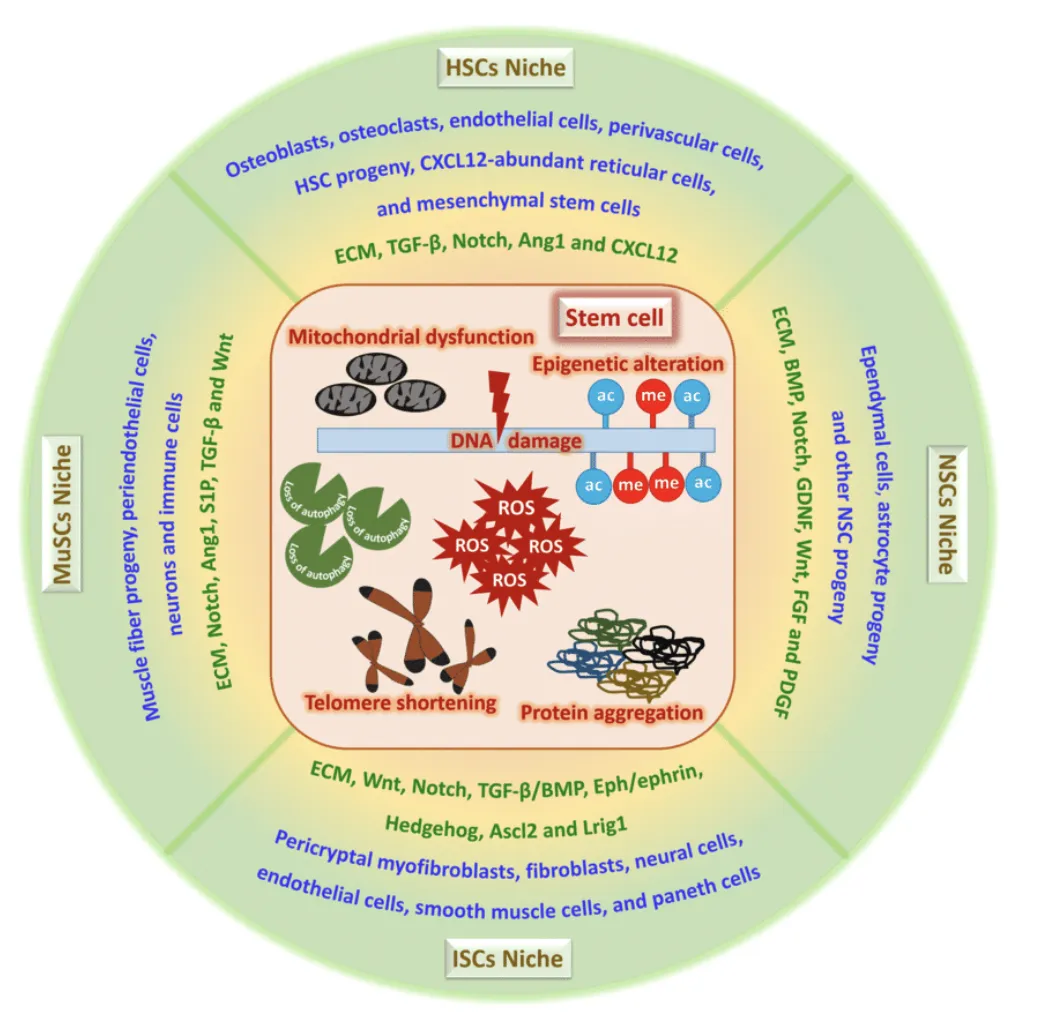
Stem cells harvested from this environment are not youthful anymore ².
They are biologically aged, just like the system they come from. And reinjecting them back into the same environment does nothing to correct the upstream constraint that produced dysfunction in the first place.
This is why autologous stem cell procedures don’t work.
Most involve harvesting cells from bone marrow or adipose tissue and reinjecting them locally into a joint or intravenously.
But if your biology produced dysfunctional stem cells to begin with, why would reinjecting them suddenly create regeneration?
It doesn't.
In many cases, autologous stem cells fail to do anything beneficial. They may release a short burst of signaling factors, and then undergo apoptosis within days. Patients may feel better briefly, reduced pain, improved energy, improved mood, but the effect fades because no upstream systems were corrected.
This is not regeneration. It’s a transient signal which becomes mostly meaningless after about a week.
Some clinics attempt to overcome this by proliferating a patient’s stem cells in a lab before reinjection. This increases cell number, but not cell quality.
In fact, the forced proliferation accelerates the aging of the stem cells, they lose some of their power, and get weaker.
The result is often a larger quantity of biologically compromised cells being reinjected into the same hostile environment that produced them.
Unless someone is exceptionally young and biologically pristine, in which case stem cell therapy wouldn’t make sense anyway, this approach rarely produces durable results.
Other protocols avoid injections altogether by attempting to “activate” or “boost” stem cells naturally. This is often framed as a safer, more holistic alternative. What’s rarely explained is the cost.
And I don't mean how much it costs in terms of money…
But in terms of what it does to you physiologically.
Many of these approaches work by mobilizing stem cells out of the bone marrow and into circulation. Mobilization without niche restoration pulls stem cells out of storage, accelerates turnover, and increases exhaustion of the stem-cell pool.
It's like taking out a biological loan.
The very thing you thought was going to help you actually accelerates your decline.
Why biology must be fixed first
Unfortunately many people have fallen victim to this systemic misunderstanding.
And that's why I want to help you actually get results and not waste your time. Your money. Or your health.
Before injecting any stem cells, whether they are donor or autologous, you should ask yourself one question:
Is biology capable of supporting regeneration?
If circulation is impaired, stem cells won’t reach tissue. If inflammation is chronically elevated, they won’t survive. If mitochondrial signaling is broken, they won’t differentiate properly. If senescent cells dominate the environment, regenerative signaling is suppressed ³.
Stem cells cant repair the niche. They are downstream of it.
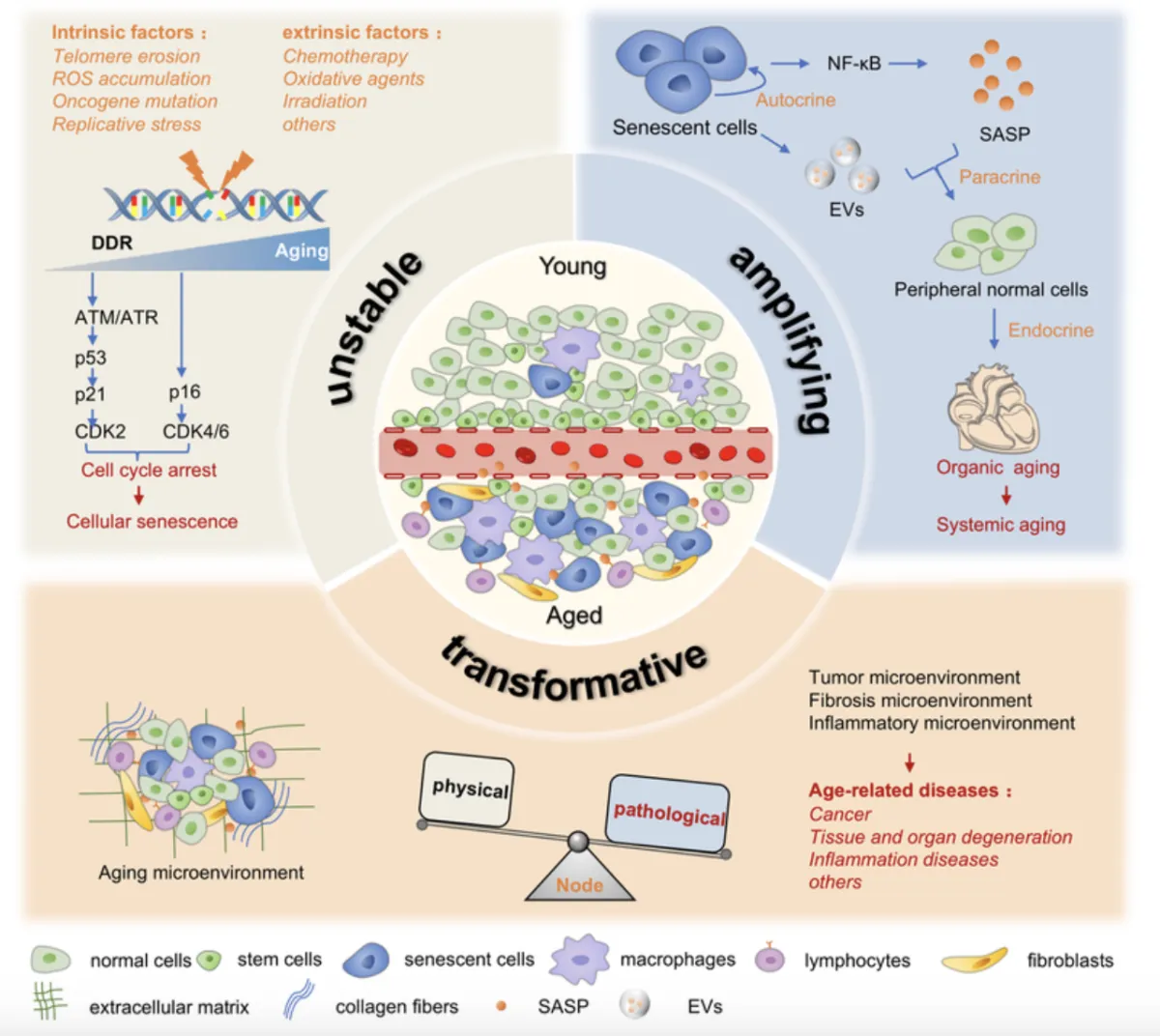
True regeneration is not achieved by adding cells into a broken system. It’s achieved by restoring the system itself.
When immune signaling is corrected, mitochondrial function restored, microcirculation improved, senescent burden reduced, and the stem-cell niche becomes supportive again, you notice something very significant happen.
Your own stem cells begin behaving differently. They function better. And then, if you want to go further, you can rejuvenate your stem cells properly using a protocol that does two critical things:
• Restores stem cell youthfulness, function, and longevity
• Increases stem cell number through true proliferation, not bone-marrow depletion
This second one is very important to understand, as true rejuvenation is through increasing proliferation, not forcing them to leave your bone marrow and drain your reserves faster.
So, fix the biology first. Then rejuvenate your own stem cells properly.
If you want to understand what’s actually been missing and why so many longevity efforts stall despite doing everything “right” read the Strategic Brief below.
To Rewriting Your Biology,
Brenden Henry
Former Biomedical Engineer
Founder of Peptide Science Institute &
CuttingEdgeLongevity

support:
sms +1 877-834-9117
email [email protected]